
A fine pair of leather shoes begins with premium leather.
In footwear design and manufacturing, upper material selection not only affects the appearance and texture of leather shoes but also directly impacts comfort and product durability.
How do you choose the right leather for different types and styles of shoes? How can you balance breathability, softness, durability, and visual appeal?
For footwear brands and manufacturers that prioritize quality, selecting leather is more than just a material choice—it's a holistic consideration of product performance, design expression, and wearing experience. As a dedicated developer and producer of vegetable-tanned leather, Zhenglong Vegetable Tanning Leather consistently focuses on the texture, performance, and application value of the leather itself, committed to providing higher-quality material options for footwear and leather goods development.
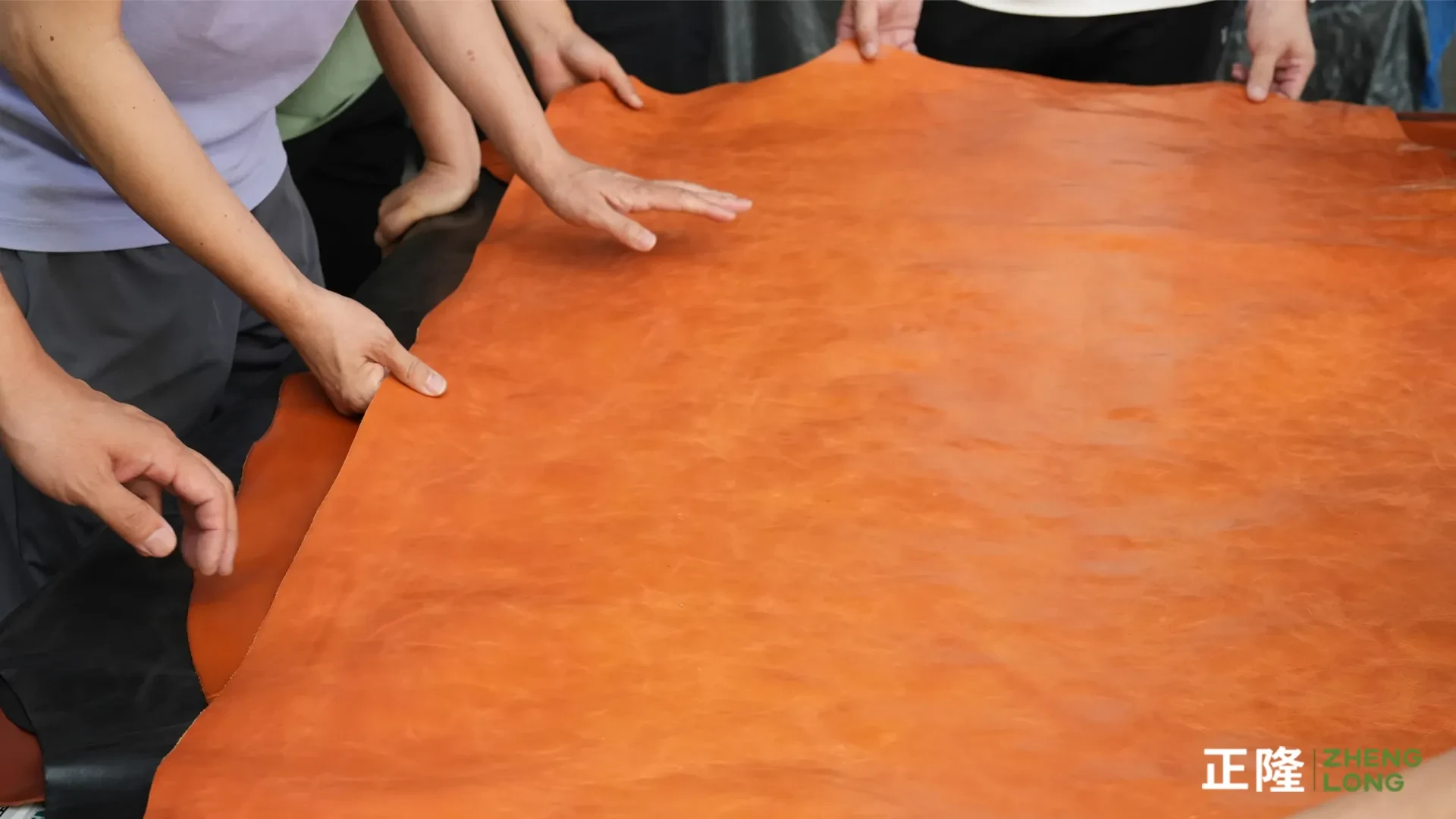
1. Breathability: A more comfortable fit for your feet
Leather shoes are worn daily and remain in prolonged contact with the feet. The moisture vapor permeability of the upper material is a key factor affecting wearing comfort.
If the upper material lacks sufficient moisture permeability, a buildup of heat and humidity inside the shoe may become more noticeable during extended wear. Therefore, in leather shoe development, it is essential to evaluate not only the appearance and feel of the leather but also its breathability and moisture management, along with the compatibility between the upper structure and lining materials.
Vegetable-tanned leather is tanned using plant-based agents. Under proper processing conditions, it retains the natural fiber structure of the hide. With appropriate tanning, dyeing, and finishing processes, the leather achieves a natural surface texture and excellent material performance.
For footwear development, selecting vegetable-tanned leather with an appropriate structure and suitable finish helps balance upper texture with wearability.
Great leather isn't just about looking good—it's built to withstand everyday wear.
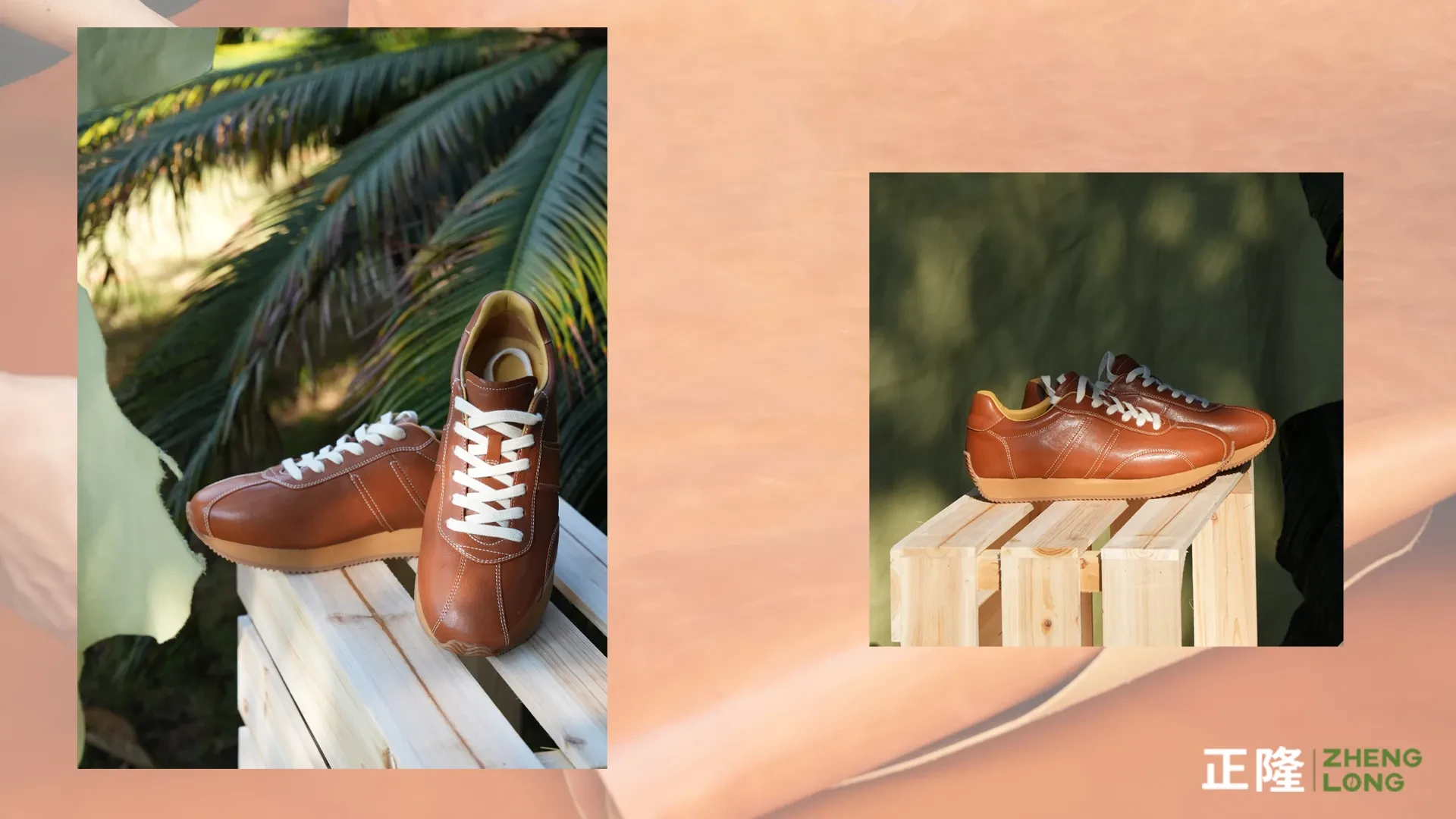
2. Soft & Skin-Friendly: Leather That Fits Your Needs
Shoe comfort depends not only on the last design and sole structure but also closely on the softness, thickness, and stretch of the upper leather.
An overly stiff upper can restrict flexion and fit, while an excessively soft material lacking support may not suit all shoe styles. Therefore, the ideal leather for footwear development must balance softness, durability, and structural support.
Zhenglong Vegetable Tanning prioritizes leather feel and material performance. Through strict control of raw material selection, tanning processes, and finishing techniques, we develop vegetable-tanned leather products with varying levels of softness, thickness, and surface texture.
From casual leather shoes with a natural texture to everyday footwear emphasizing softness, vegetable-tanned leather offers designers more material options.
For footwear brands, leather softness isn't just about touch—it's reflected in how the upper bends, how well it conforms to the shoe shape, and its performance during everyday wear.
Premium leather brings texture to your design and comfort back to your wear.
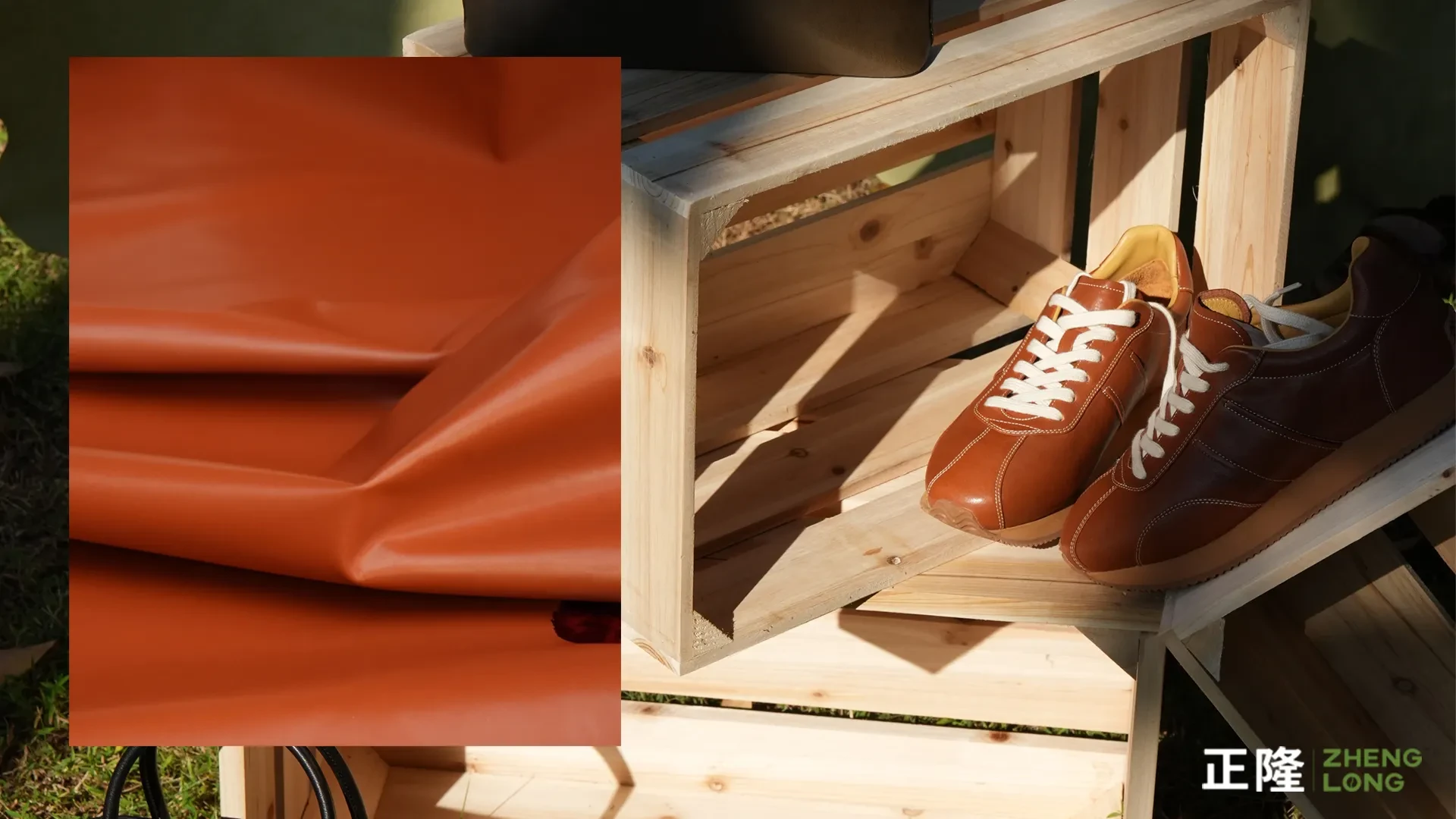
3. Durability: Quality Leather Built to Last
The upper must withstand repeated flexing, abrasion, and exposure to various conditions during daily wear. Therefore, durability, flex resistance, and surface stability are equally critical factors when selecting leather.
Leather durability depends on factors such as raw material quality, fiber structure, tanning method, thickness, surface treatment, and actual usage conditions. Different shoe types require different leather performance characteristics.
Zhenglong Vegetable Tanning prioritizes every stage from raw material selection to production, using thoughtful工艺 design to preserve the leather's natural texture while meeting diverse application requirements.
For shoe uppers, durability doesn't mean sacrificing flexibility, appearance, or overall feel for thickness and hardness. It's about balancing performance with the leather's natural qualities to meet usage requirements.
Select the appropriate thickness, surface finish, and performance grade of vegetable-tanned leather based on shoe style and usage scenario. Combine this with relevant testing for abrasion resistance and flex durability to fully realize the material's value.
A pair of leather shoes built to withstand daily wear relies on thoughtful design and meticulous attention to every material detail.
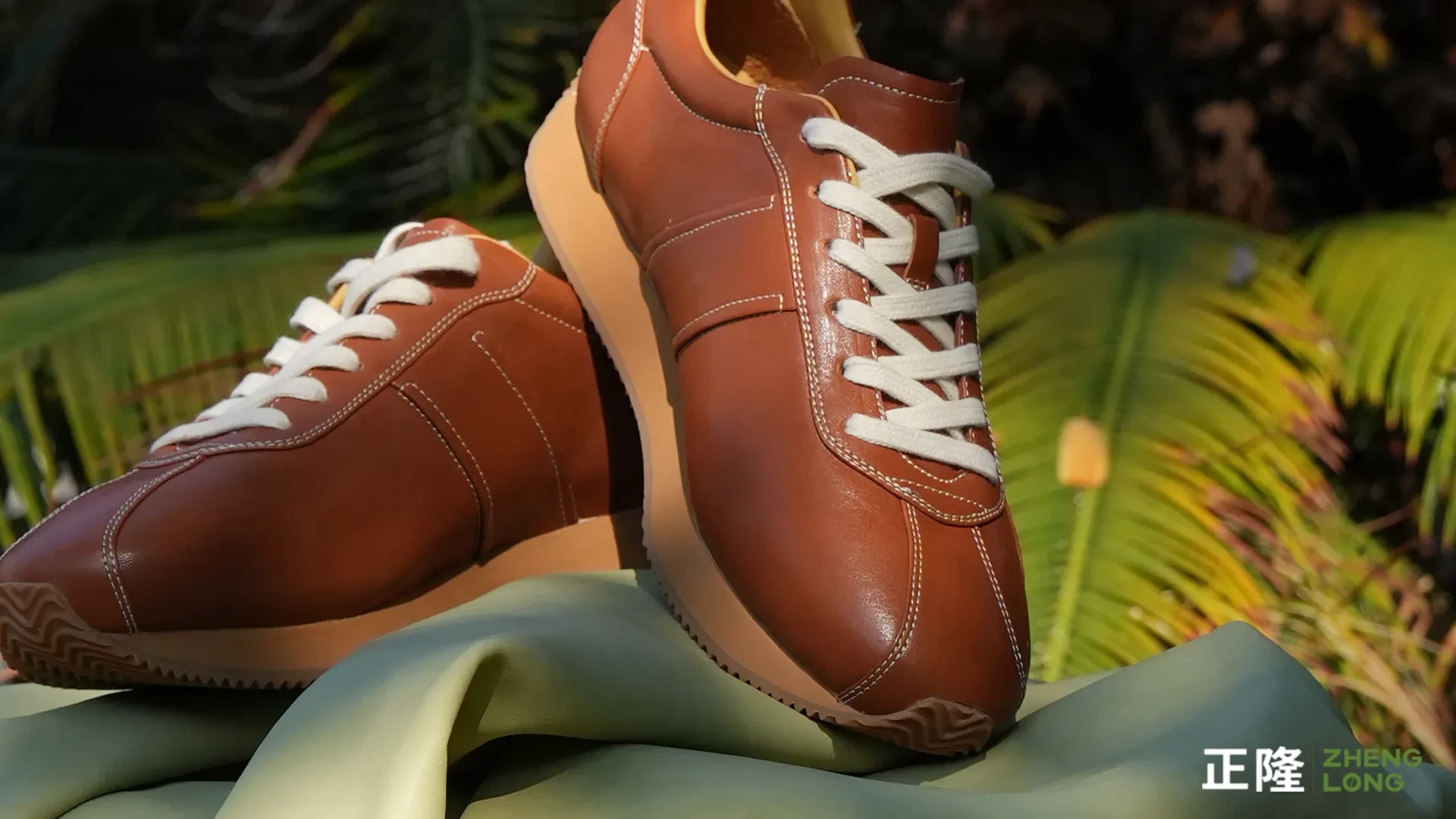
IV. Natural Texture and the Beauty of Time: The Unique Appeal of Vegetable-Tanned Leather
In addition to meeting functional requirements like breathability, softness, and durability, the inherent texture of leather is a key component of high-quality footwear.
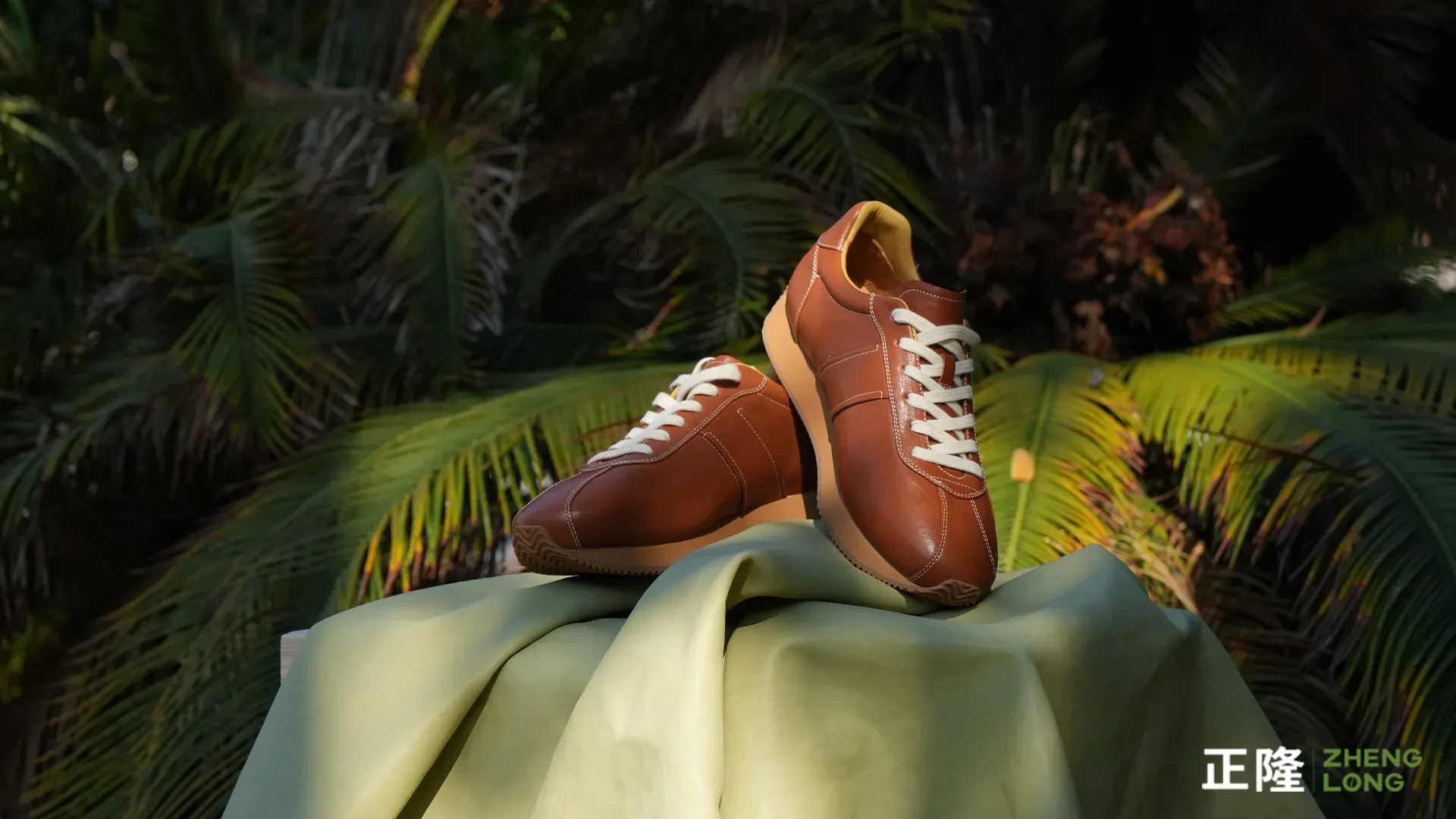
Vegetable-tanned leather is tanned using plant-based agents, showcasing rich textures, warm tones, and a natural surface finish. Especially in undyed or lightly finished varieties, exposure to light, air, and daily use may cause the color to gradually deepen, creating unique patina over time.
This evolution over time transforms leather from merely a material for footwear into a record of the wearer's life.
For footwear brands that prioritize design and material expression, vegetable-tanned leather offers natural grain, refined texture, and evolving color tones—opening up new possibilities in product design.
From classic casual leather shoes to handcrafted footwear emphasizing a natural aesthetic, vegetable-tanned leather uses its inherent material language to impart unique texture and personality to diverse designs.
Colors drawn from nature, perfected by time.
This is what sets vegetable-tanned leather apart from many highly finished materials.
5. Zhenglong Vegetable Tanning: Starting with Quality Leather to Unlock New Possibilities for Footwear
Leather's quality stems from both its raw materials and craftsmanship; its value lies in how it is designed, crafted, and ultimately integrated into everyday life.
Zhenglong Vegetable Tanning specializes in the development and production of vegetable-tanned leather materials. We focus on softness, thickness, surface texture, and practical application needs to provide diverse material options for footwear, bags, and other leather goods.
In the footwear sector, Zhenglong Vegetable Tanning addresses the distinct leather performance requirements of various shoe styles—from natural grain to refined touch, from lightweight flexibility to structured support—providing material development insights for designers and footwear manufacturers.
We believe that truly superior leather should not only look exceptional but also deliver performance that matches its intended use.
Breathability, comfort, durability, and natural texture are key areas for ongoing innovation in footwear materials.
Zhenglong Vegetable Tanning is committed to continuous exploration of materials and craftsmanship, ensuring every hide finds its ideal application and that premium materials serve as the foundation for exceptional design.
For great shoes, choose great leather.