
1. The value of French leather goes beyond its origin.
France has a long tradition of leather processing and tanning. Within the leather industry, raw material selection, tanning methods, finishing processes, and quality control collectively determine the performance of the final material.
For leather goods development, French leather is highly regarded not only for its origin but also for its texture, color, and design versatility.
Especially for soft calfskin targeting the mid-to-high-end leather goods market, material value is no longer determined solely by thickness or stiffness. It must be evaluated holistically based on grain quality, fiber structure, softness, stretch performance, and end-product suitability.
It's important to note that the origin does not directly indicate a fixed quality grade. For French vegetable-tanned soft cowhide, actual leather source, tanning process, and finishing methods must be considered for an accurate assessment.
True leather for product development is material that aligns with design requirements while balancing aesthetics, touch, and performance.
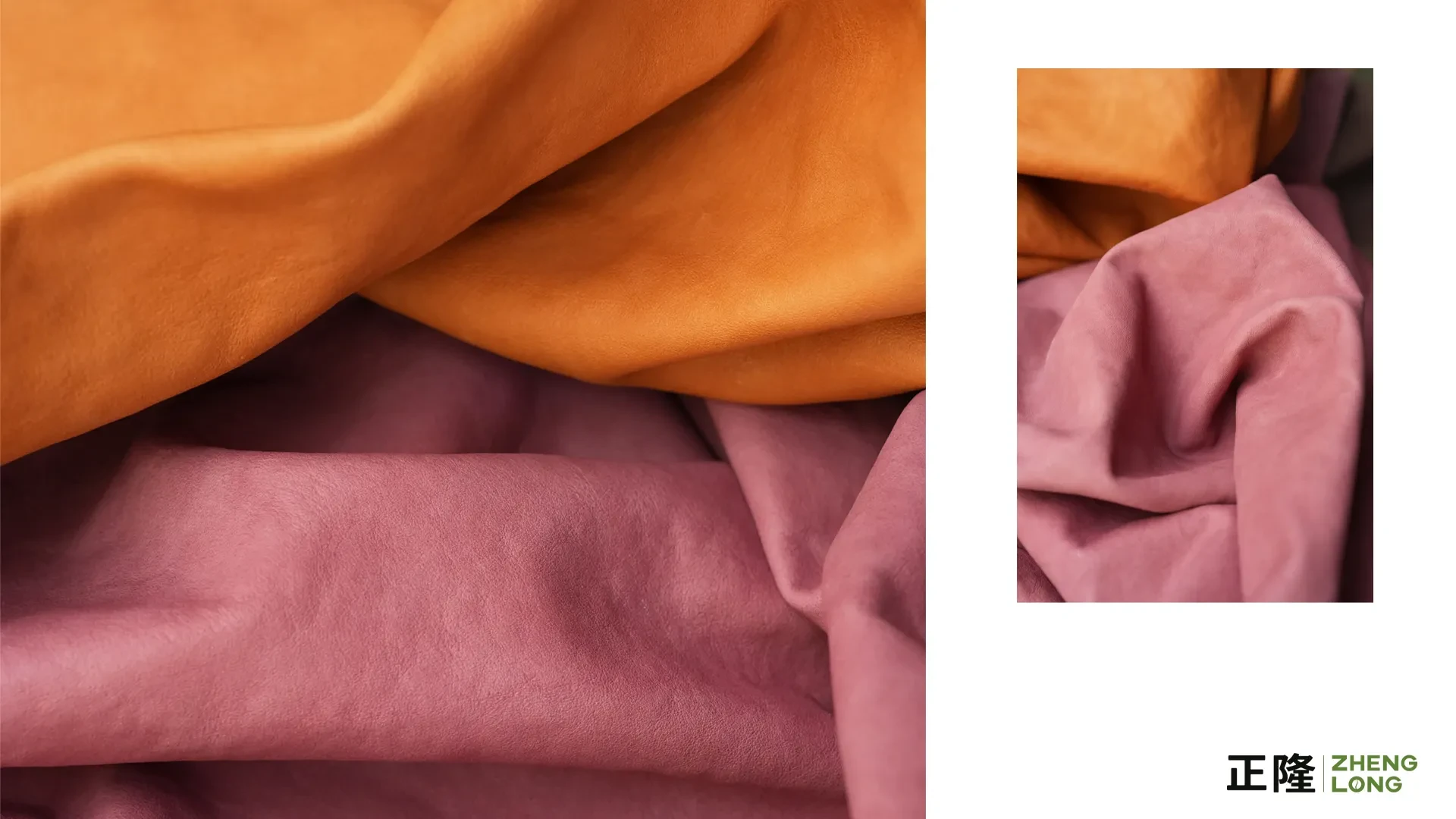
2. Soft Vegetable-Tanned Leather: Reimagining the Expressive Potential of Vegetable Tanning Materials
When people think of vegetable-tanned leather, they often picture its firm body, clear structure, and the natural patina that develops over time with use.
But vegetable-tanned leather isn't just one form.
By comprehensively controlling raw materials, fiber structure, retanning, fatliquoring, and mechanical softening processes, vegetable-tanned leather can achieve a softer feel and better drape. Softness does not compromise quality; rather, it is a material property that must be designed and controlled based on the intended product application.
The development value of the French soft vegetable-tanned leather lies precisely in this diverse material expression.
1. Soft touch, making leather more suitable for everyday use
The soft leather body enables more natural folding and creasing, allowing the bag to feel lighter and easier to handle during touch, lifting, and daily use.
For leather goods that prioritize comfort and practicality, this texture enhances the user experience.
2. Natural drape expands the possibilities for product design.
Unlike stiff leather that emphasizes structured silhouettes, soft leather easily forms flowing lines and natural folds.
In women's handbags, soft-structured totes, casual shoulder bags, and select small leather goods, this material property enables designers to create more relaxed, natural silhouettes.
3. Refined details that highlight the material's inherent character.
The premium feel of leather doesn't rely entirely on complex surface treatments.
The grain's fineness, luster variation, leather's resilience, and the texture that emerges when folded all influence the material's final visual and tactile qualities.
For soft vegetable-tanned leather, balancing suppleness with structural support is a key challenge in material development.
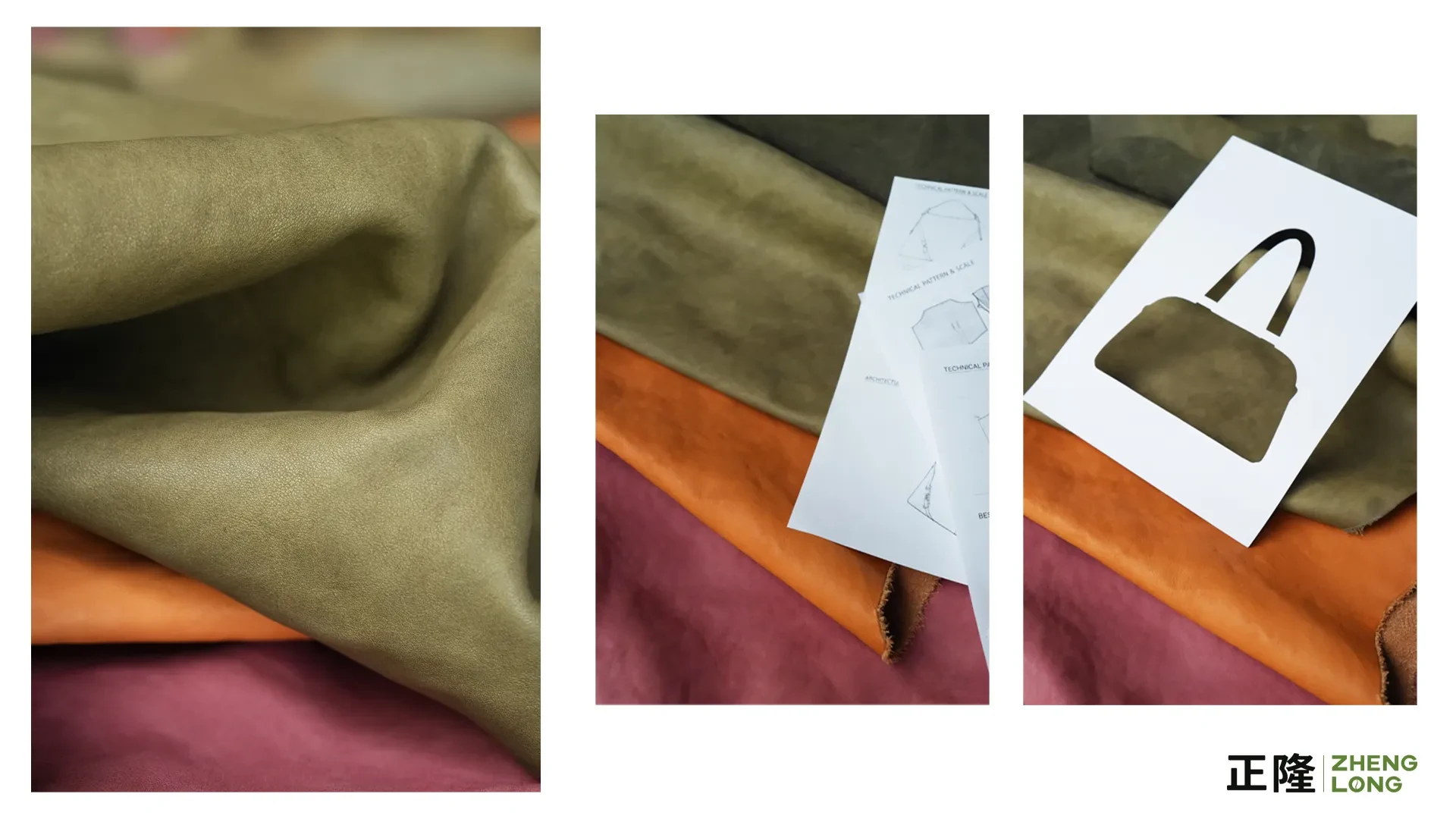
3. Balancing Vegetable Tanning Processes with Softness Performance
Developing vegetable-tanned leather is a systematic process.
From raw material selection to tanning, dyeing, fatliquoring, softening, and finishing, every step impacts the leather's final performance.
Natural hides inherently vary; fiber structure, thickness, and density differ across sections. Consequently, developing soft vegetable-tanned leather requires not only achieving the desired hand feel but also ensuring uniformity across the entire hide, processing stability, and practical usability.
In material evaluation, the following aspects typically require close attention:
Softness and Resilience:Check if the leather is soft and natural, and whether it returns to the required state after bending.
Grain and Surface Condition:Does the texture coordinate well, and is the surface finish sufficiently refined to match the product positioning?
Upper Structure and Support:Is the softness appropriate to meet contour and support requirements for different package types?
Color and Luster:Check if the dyeing is even, if the surface sheen looks natural, and whether it meets the visual requirements of the design.
Processing and Performance:Does the material maintain consistent performance during cutting, sewing, hemming, and end-use?
These metrics are not isolated. Softness, thickness, fiber structure, and finishing methods influence each other and must be evaluated together based on the intended application.
For vegetable-tanned leather manufacturers, the core of material development is not simply maximizing a single metric, but ensuring every material property serves the final product.
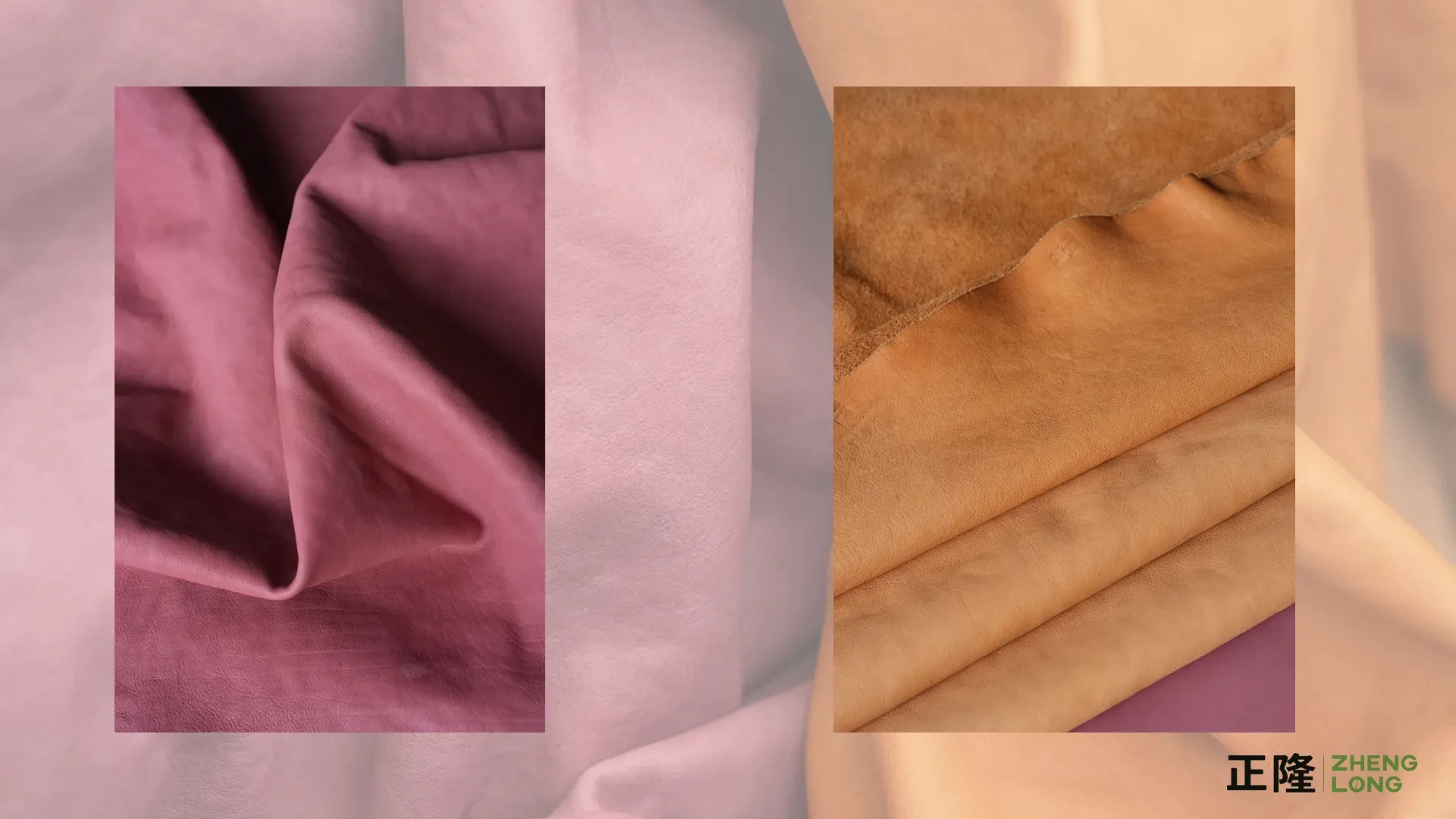
4. From Traditional Leather Goods to Modern Design: Applications of Soft Vegetable-Tanned Leather
As leather design languages evolve, the relationship between materials and forms is receiving increasing attention.
Soft vegetable-tanned leather provides a versatile design foundation for various products.
Women's Bags & Everyday Handbags
The soft leather body drapes naturally with fluid contours, ideal for designs that emphasize ease, comfort, and everyday practicality.
Small Leather Goods & Carry-On Accessories
In card cases, wallets, and other small leather goods, the tactile refinement of materials, color depth, and edge finishing collectively define the product's premium quality.
Designer Brands & Personalized Products
For brands that prioritize material differentiation and product distinctiveness, soft vegetable-tanned leather offers a design direction distinct from traditional stiff leathers, unlocking new possibilities in styling and craftsmanship for product development.
Specific applications depend on leather thickness, softness, surface finish, and structural requirements. Products requiring shape retention may need additional structural design or material support; those emphasizing natural drape can fully leverage the characteristics of soft leather.
There is no single standard answer for the relationship between materials and design. The key lies in understanding leather itself and translating its characteristics into product advantages.
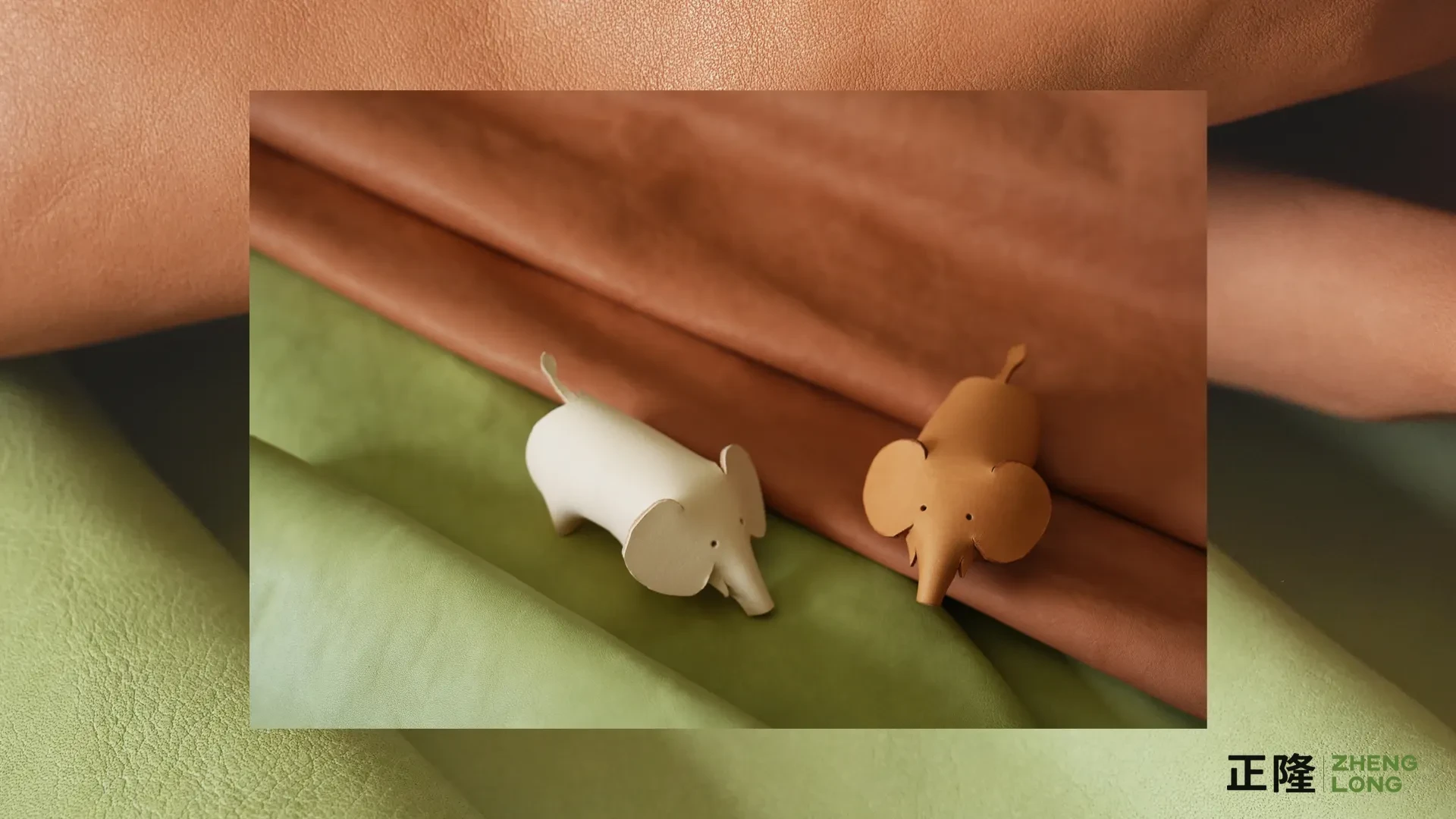
5. Returning to the material itself is the path forward for sustainable vegetable-tanned leather development.
In the leather industry, material competitiveness is defined not only by initial quality but also by long-term performance.
One key reason for the growing interest in vegetable-tanned leather is that its minimally coated surfaces develop a rich patina over time when exposed to light, air, and regular use. This evolution in color and luster is a signature characteristic of vegetable-tanned leather, with the degree of change depending on the leather's base color, surface treatment, and usage environment.
For French vegetable-tanned leather, its soft touch combined with the natural characteristics of vegetable tanning not only serves current product designs but also opens up new possibilities for building a lasting connection between the leather and its user.
From raw material selection to process adjustment, from tactile evaluation to application testing—every detail impacts the final material performance.
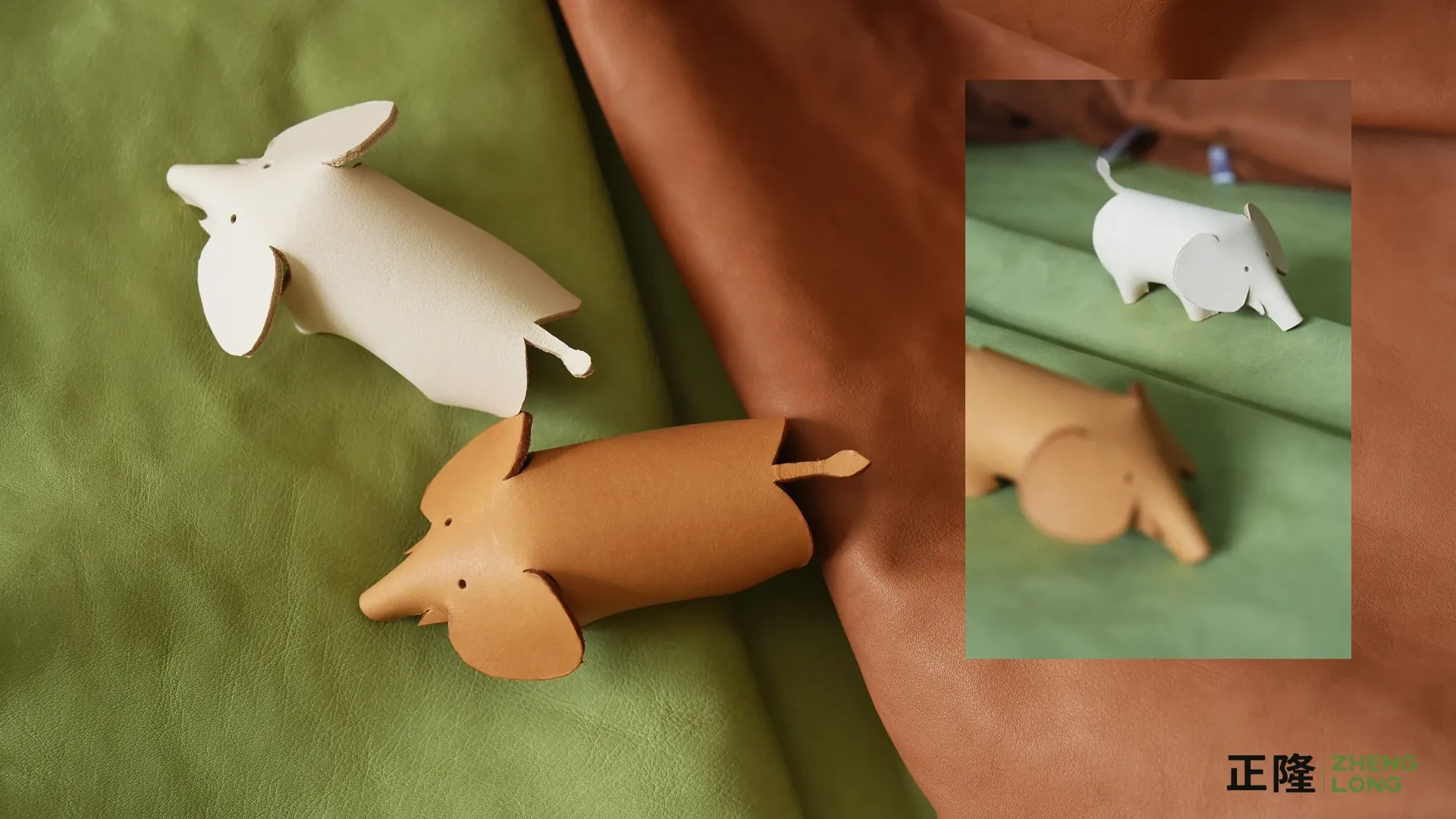
Great leather isn't just a material that's made—it's the result of deep, ongoing understanding of raw materials, craftsmanship, and real-world needs.
Zhenglong Vegetable Tanning remains focused on the inherent characteristics and application value of vegetable-tanned leather, continuously exploring the possibilities of different hides in texture, craftsmanship, and product development.
We believe great materials speak for themselves.
When craftsmanship meets natural leather, it finds its place in design and everyday life.